
Electrician Certification in Texas: What You Actually Need
Texas electricians often hear the word “certification,” but the credential that matters most for regulated electrical work is the correct TDLR license. Optional certifications can help a career, but they do not replace Texas licensing or renewal requirements.
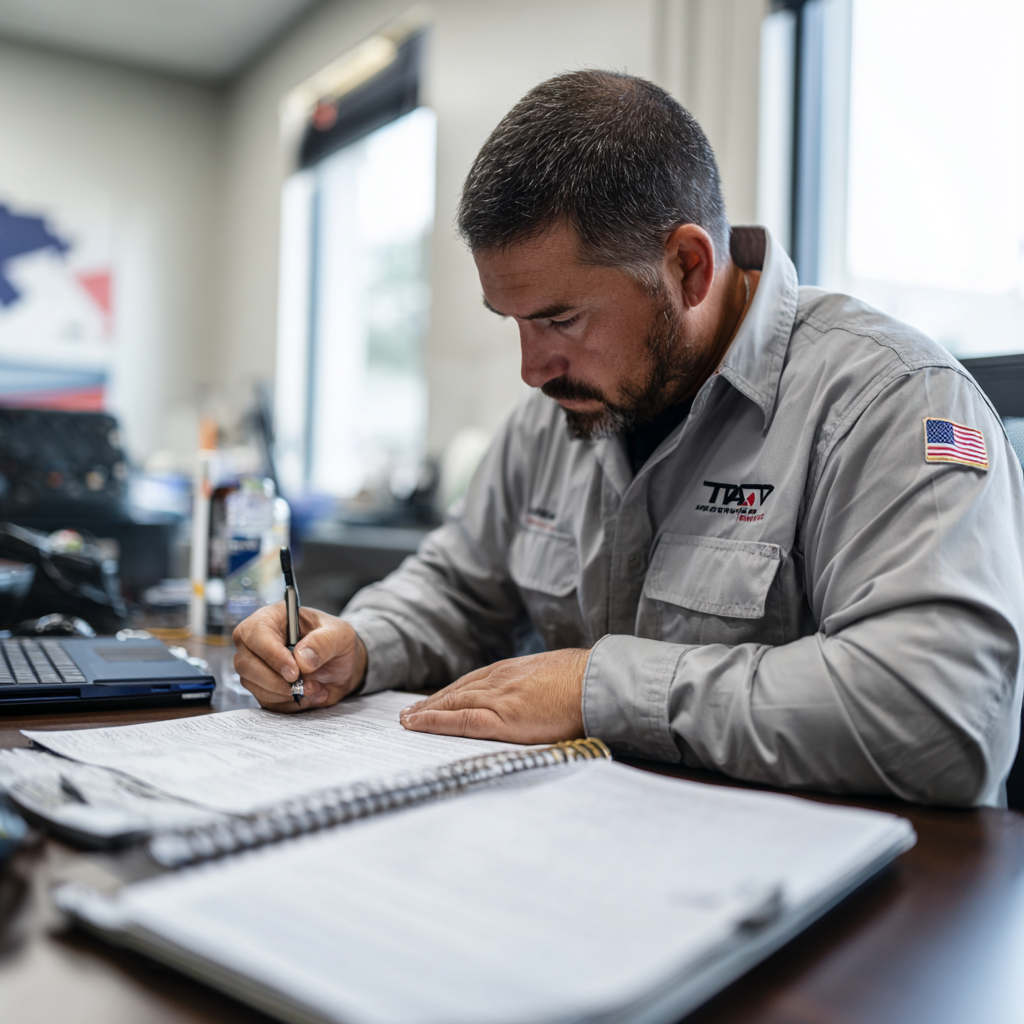
In Texas, a state electrical license is the required credential for most regulated electrical work. Certifications such as OSHA, solar, or manufacturer training may support career growth, but they do not replace TDLR licensing.

The Difference Matters for Texas Compliance
A Texas electrician license is a government-issued authorization administered through the Texas Department of Licensing and Regulation. A certification is usually issued by a training provider, safety organization, manufacturer, or industry group.
That difference affects legal authority. A certification may show extra training, but it does not create permission to perform regulated electrical work in Texas. Electricians should start with the correct TDLR license category, then add optional certifications where they support specific job goals.
| Credential | Main Purpose | Replaces TDLR License? |
|---|---|---|
| Texas electrician license | Authorizes work within the license scope | No — it is the required credential |
| OSHA 10 or OSHA 30 | Documents safety training completion | No |
| Solar or PV certification | Shows specialty knowledge in solar work | No |
| Continuing education certificate | Documents renewal education completion | No |
What Texas Electricians Actually Need
Texas licensing depends on the type of work performed, the worker’s role, and whether the credential belongs to an individual electrician or a business. The most common path begins with an apprentice license, advances through documented on-the-job experience, and may lead to journeyman or master licensing.
Apprentice Electrician
An entry point for workers beginning the trade under required supervision while building field experience toward higher licensing levels.
Journeyman Electrician
A major credential for electricians who have met experience, application, and examination requirements for broader field responsibility.
Master Electrician
A higher-level license often connected with supervision, leadership, contracting pathways, and long-term career advancement.
Optional credentials can strengthen a resume, but Texas licensing remains the compliance foundation.
Optional Certifications Can Still Help
Certifications are useful when they match a real job requirement or career strategy. OSHA 10 or OSHA 30 may help with jobsite readiness. Solar or PV credentials may support renewable-energy work. Manufacturer training can help with generators, EV chargers, smart panels, lighting controls, and specialty systems.
Where Continuing Education Fits
Continuing education is not the same as an optional certification. For many Texas electrician licenses, CE is part of maintaining an active license. The completion certificate documents that the electrician finished the required renewal education through an approved provider.
The best approach is to complete CE before the renewal deadline, confirm the provider is TDLR-approved, save the completion certificate, and renew through the official TDLR system.
Confirm renewal requirements
Check the license category and renewal timing before the expiration date approaches.
Complete approved CE
Use a TDLR-approved continuing education provider for the required electrician renewal course.
Save proof of completion
Keep the CE certificate with license records in case documentation is needed later.
Renew the license
Finish the renewal process through TDLR before the license expires.
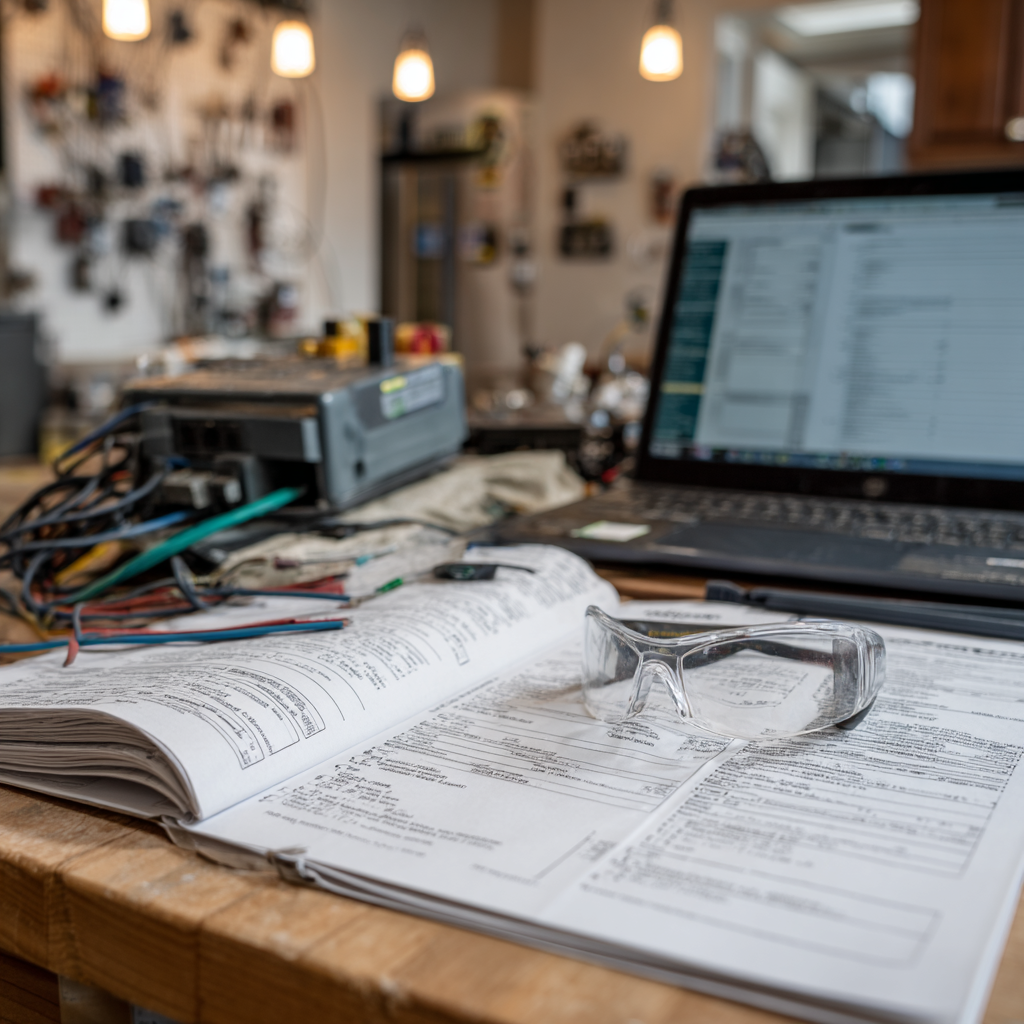
The Best Path Is License First, Certification Second
Electricians should avoid spending time or money on optional credentials before confirming the license required for the work they intend to perform. The strongest credential strategy starts with legal compliance, then adds targeted training for marketable skills.
Electrician Certification in Texas FAQ
Does Texas have electrician certification?
Texas primarily regulates electricians through TDLR licensing rather than a single generic electrician certification. Private certifications may help with employment or specialization, but the correct state license is the key compliance credential.
Is an OSHA card enough to work as an electrician in Texas?
No. OSHA 10 or OSHA 30 training can support jobsite safety awareness, but it does not replace a Texas electrician license.
What license should a new electrician get first in Texas?
Many new electricians begin with an apprentice electrician license, then work under supervision while building experience toward a journeyman license or another applicable category.
Does a trade school certificate make someone licensed?
No. A trade school certificate may document education, but TDLR licensing is separate. Electricians should verify the exact license required for the work they plan to perform.
Is continuing education the same as certification?
No. Continuing education is typically completed for renewal compliance. A certification usually documents optional training or specialized competency.
Need to Renew a Texas Electrician License?
Complete the required electrician continuing education through Texas Electrician License Renewal, TDLR-approved Provider #2501. The course is built for licensed Texas electricians who need a straightforward online renewal option.
