
Texas Electrical License Requirements: What You Need for Each License Type
Texas electrical license requirements vary by credential. Apprentices, journeymen, master electricians, residential wiremen, maintenance electricians, sign electricians, and contractors each have different experience, examination, supervision, renewal, and continuing education rules.
Most Texas electricians start as apprentices, gain supervised experience, test for a journeyman license, and may later qualify for a master electrician license. Many individual license holders must complete 4 hours of TDLR-approved continuing education before renewal.
Texas Electrical License Types at a Glance
Texas does not use one single electrical license for every worker or business. TDLR recognizes multiple individual licenses and contractor licenses, and each category has its own role in the licensing structure.
| License Type | Best For | Core Requirement | Renewal / CE Notes |
|---|---|---|---|
| Electrical Apprentice | Entry-level electrical workers | No prior experience or exam required to apply | License must be renewed annually; CE applies before renewal |
| Journeyman Electrician | Electricians working under general master supervision | Substantial supervised on-the-job training plus exam approval | 4 hours of approved CE before renewal |
| Master Electrician | Advanced electricians, supervisors, and contractor qualifiers | Journeyman history, verified experience, and master exam | 4 hours of approved CE before renewal |
| Electrical Contractor | Businesses offering electrical contracting | Business license plus master electrician of record | Contractors are not required to complete CE |
| Specialty Licenses | Residential, maintenance, sign, lineman, or appliance work | Requirements depend on license category and scope | Some individual specialty licenses require CE |
Apprentice, Journeyman, and Master Requirements
Most electricians follow a progression from apprentice to journeyman to master electrician. The apprentice license is usually the entry point because it allows a new worker to begin gaining supervised field experience. It does not carry the same authority as a journeyman or master license.
A journeyman electrician applicant must document supervised on-the-job training and pass the licensing exam after TDLR application approval. A master electrician applicant must hold qualifying journeyman experience, document additional supervised hours, and pass the master exam.
Apprentice
No experience or exam is required to apply, but electrical work must remain within the allowed supervision structure.
Journeyman
Applicants need verified supervised experience and must be approved before taking the exam.
Master
Applicants need significant qualifying experience and may later serve as a business qualifier.
Contractor
A business license is separate from an individual electrician license and requires a master electrician of record.

The typical Texas electrical career path progresses from supervised apprentice work to journeyman licensing and, later, master-level qualification.
Electrical Contractor Licensing Is Separate from Individual Licensing
An electrical contractor license applies to the business offering electrical contracting services. It is not the same as being an individually licensed electrician. A journeyman may be licensed to perform electrical work under proper supervision, but that does not automatically authorize the person to operate an electrical contracting business.
The key business requirement is the master electrician of record. An electrical contractor must have a qualifying master electrician properly assigned to the company. This structure helps separate field qualifications from business authorization.
Choose the correct business license
Electrical contractor, electrical sign contractor, and residential appliance installation contractor licenses serve different business categories.
Assign a master electrician of record
The company must be properly connected to a qualifying master electrician when required.
Keep individual licenses current
Workers still need the correct individual license and renewal compliance for the work being performed.
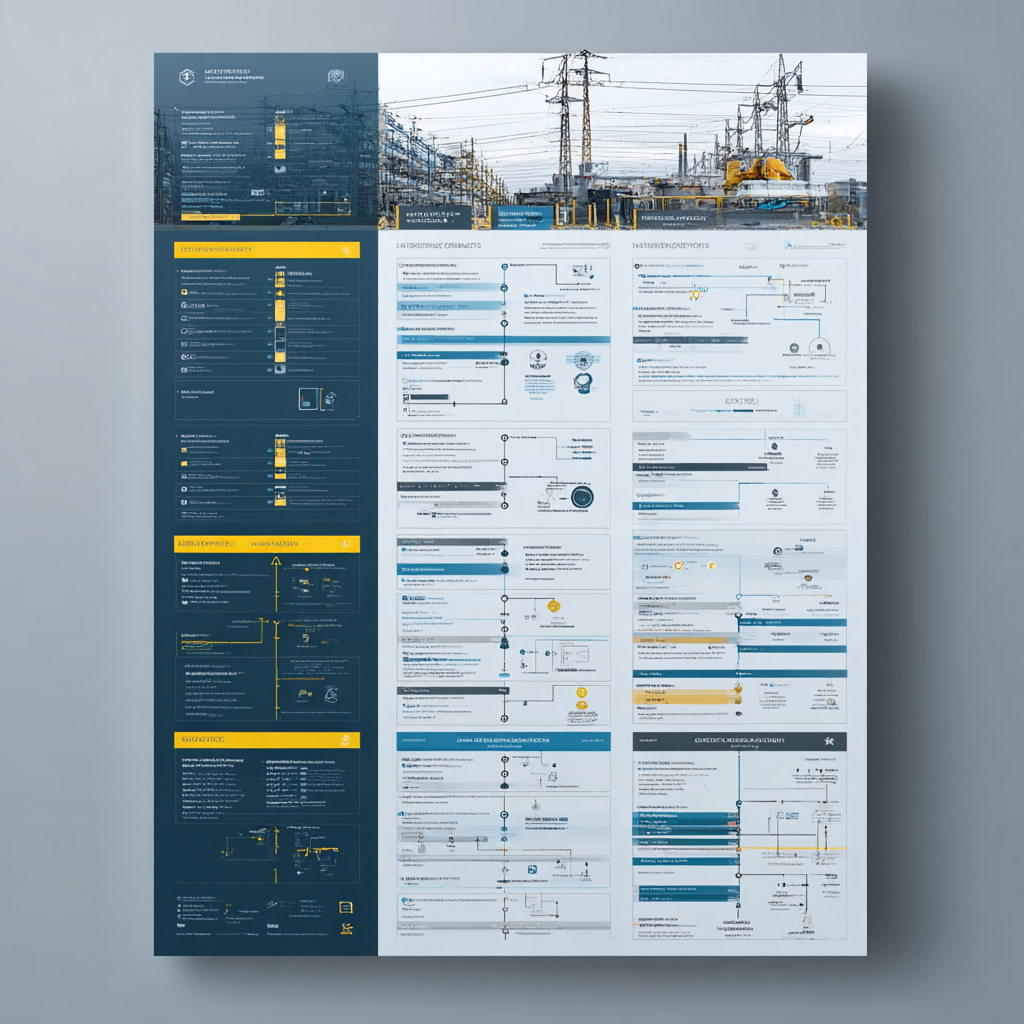
A clear side-by-side comparison helps applicants separate individual licensing from business contractor licensing.
Renewal and Continuing Education Requirements
Initial licensing is only one part of compliance. Many Texas electrical license holders must renew annually and complete continuing education before renewal. TDLR requires 4 hours of continuing education for several individual license categories, including master electricians, journeyman electricians, apprentice electricians, residential wiremen, maintenance electricians, and multiple sign electrician categories.
The required course must address the National Electrical Code, Texas electrician laws and rules, and electrical safety. Contractors and residential appliance installers are not required to complete continuing education, but individual license holders should confirm their own renewal category before the expiration date.
Before renewing, confirm:
- Your license type CE rules depend on the exact credential being renewed.
- Your license term CE must be completed within the license term being renewed.
- Your provider The course should come from a registered TDLR continuing education provider.
- Your completion record Keep proof of completion for your own records.
- Your renewal timing Avoid waiting until the expiration date to complete required CE.
Texas Electrical License Requirements FAQ
What is the first electrical license to get in Texas?
For most new workers, the electrical apprentice license is the first step. It allows the worker to begin gaining supervised electrical experience under the appropriate supervision structure.
Does a Texas electrical apprentice need experience before applying?
No. The apprentice license is an entry-level credential and does not require prior electrical experience or a licensing exam to apply.
How does someone become a journeyman electrician in Texas?
A journeyman applicant must document qualifying supervised on-the-job training, submit the required application, receive exam approval, and pass the licensing exam before licensure.
Is a master electrician license the same as an electrical contractor license?
No. A master electrician license is an individual license. An electrical contractor license is a business license, and the business must have a proper master electrician of record when required.
Do Texas electricians need continuing education?
Many individual Texas electrical license holders must complete 4 hours of TDLR-approved continuing education before renewal. Contractors and residential appliance installers are not required to complete CE.
Need Your Texas Electrician Continuing Education?
Complete the required 4-hour Texas electrician continuing education course online through a TDLR-approved provider. Stay current with renewal requirements and finish your CE without unnecessary delays.
